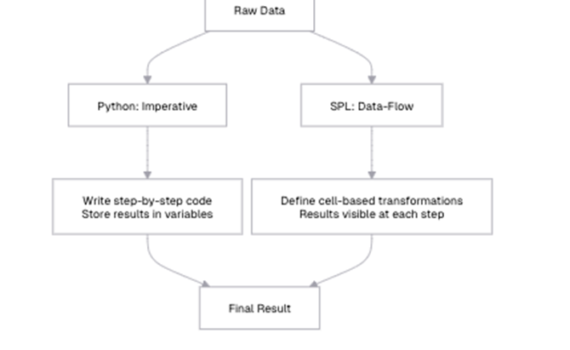
Data analysis in Python and esProc SPL compared – what ...
In this article, part 3 of the “Moving from Python to esProc SPL” series, you’ll discover the […]


In this article, part 3 of the “Moving from Python to esProc SPL” series, you’ll discover the […]

MongoBleed (CVE-2025-14847) was defined as “the vulnerability of the year.” In this article, find out what it […]

Pat Wright details how to plan cloud migration with minimal downtime. Learn key cutover strategies, testing methods, […]

First Normal Form (1NF) is the most widely known rule in database normalization. It requires that tables […]
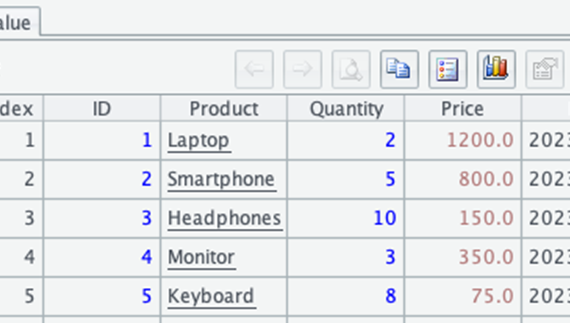
This article is the first in this six-part “Moving from Python to esProc SPL” series. You’ll learn […]
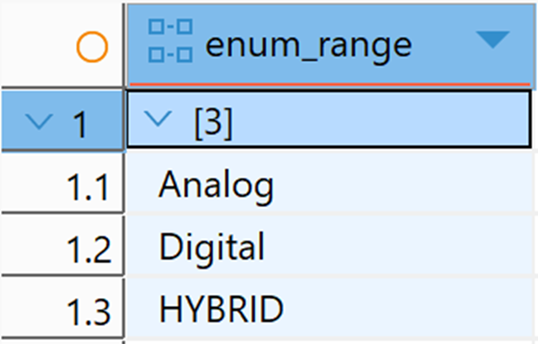
I’m sure I’m not alone when I say, sometimes I get sidetracked. In this particular instance, I […]
Every SQL Server instance contains a database that most people never query, never back up, and never […]
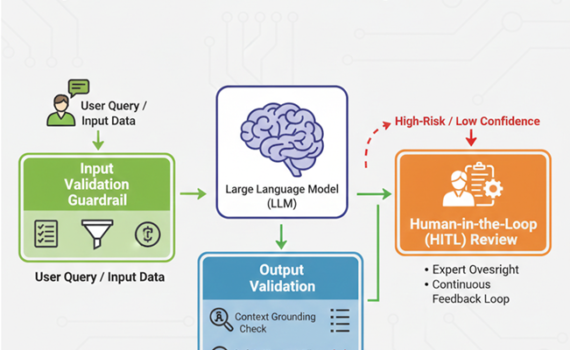
Today’s AI landscape is characterized by a gap. While it is often relatively easy to reach the […]
In software development, DevOps promises faster delivery, increased collaboration, and more reliable deployments. However, many teams unknowingly […]
In this article, Pat Wright explains how to identify hidden risks in legacy applications before moving to […]
I’ve been a fan of sequences ever since they were added in SQL Server 2012. Prior to […]
When AWS stumbled – twice – in October 2025, many teams discovered that “we are in the […]
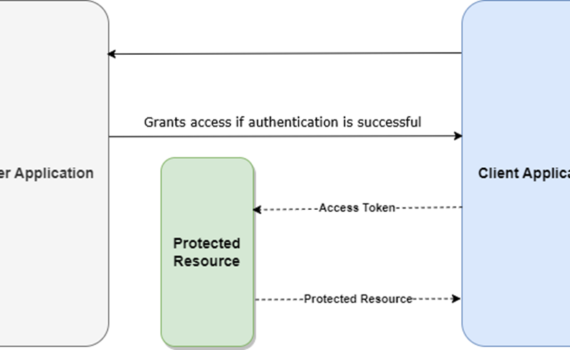
Today’s applications require robust security to ensure your application’s sensitive and confidential information is not compromised. This […]
Auto-generated numeric keys are everywhere in relational databases. In SQL Server, two features dominate this space: IDENTITY columns […]
I always really look forward to reading Redgate’s annual State of the Database Landscape report, and 2026 […]
Are you feeling the impact of AI in your daily work? No? Your database might say otherwise. […]
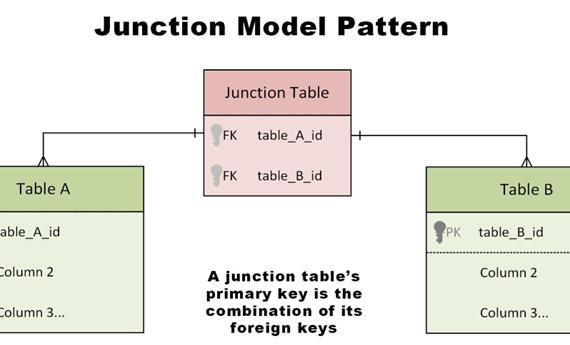
There’s not much to database keys, right? When you build a new table, you add a column […]
Every few years, someone asks a familiar question: do we really still need to disable the sa account in […]

If you’re hosting your databases within a Virtual Machine (VM) or on some big iron, one of […]
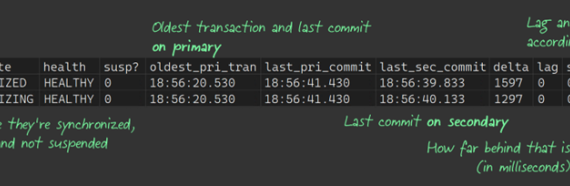
We often perform planned availability group failovers in SQL Server for maintenance, patching, upgrades, and even hardware […]
Regardless of how popular a specific software appliance is, particular versions of it are inevitably phased out […]
Monitoring and alerting can be overwhelming tasks, especially for those new to the world of managing production […]
Monitoring and alerting can be overwhelming tasks, especially for those new to the world of managing production […]

Four years ago I wrote a blog on this site explaining why Python is better than C# […]
When SQL Server 2025 was announced, Bob Ward mentioned that there would be some new commands for […]
In 2026, your approach to both applications and databases must be focused on practical and technical real-world […]
This is another part in my series designed to offer guidance around common issues in SQL Server. […]
This article is a follow-up to SQL Server DBaaS Vulnerability: Decrypting System Code & Exfiltrating User Data, […]
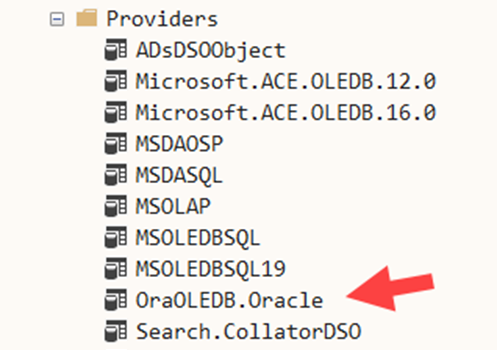
Easily move data from SQL Server to Oracle 26ai Free with this step-by-step guide. Learn how to […]
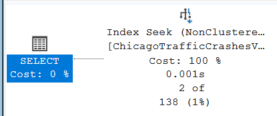
SQL Server 2025 introduces regular expression (regex) functions to the TSQL language. You could do this in […]
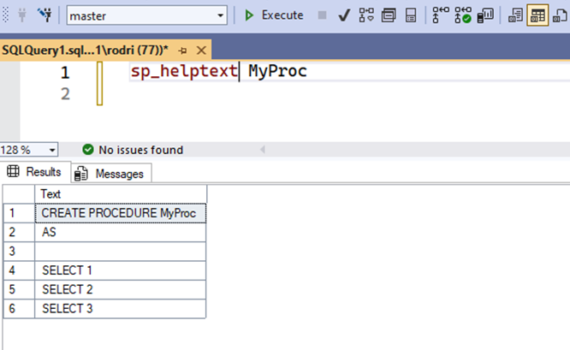
sp_helptext has served SQL Server DBAs for years, but it has its very obvious – and many […]
Privilege escalation in SQL Server isn’t just theory – it can happen through everyday maintenance jobs. This […]
This post is part of a series on common issues encountered in SQL Server. This time, we’ll […]
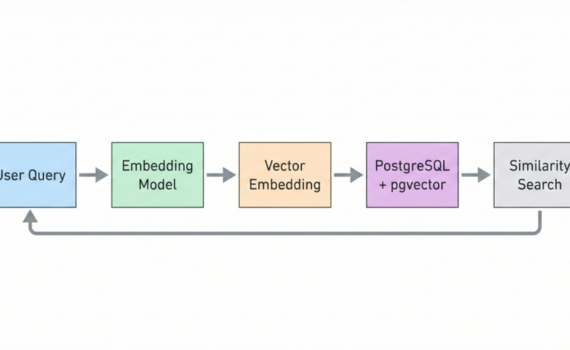
Learn how to build a sleek, AI-powered semantic search engine that lives inside your existing database. We’ll […]
This is a guest editorial by Steve Jones (President of the SQL Saturday Corporation). The last four […]
When you create a new database in SQL Server, you might assume that the system starts with an empty […]
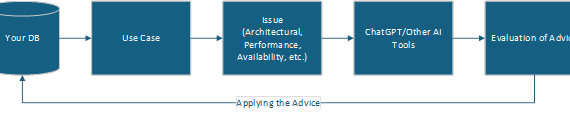
Nowadays, artificial intelligence is everywhere. It’s so prevalent that even universities are implementing it into their curriculums. […]

In this article, the latest in the MySQL vs PostgreSQL series, we’ll compare how they each handle […]
Securing SQL Server isn’t complicated, but it does require consistent attention to the areas where real risks […]

Batched deletions are a common strategy in SQL Server to manage large datasets without overloading the system, […]
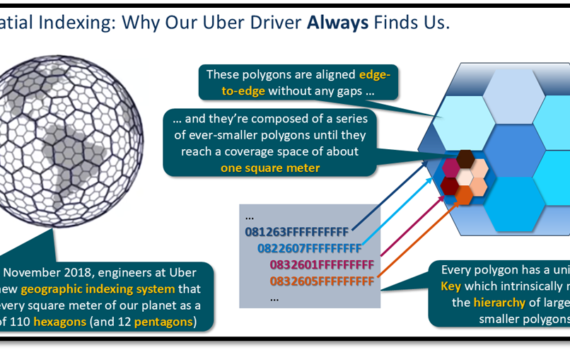
Since this article was written, Oracle AI Database 26ai has been released. Oracle Database 23ai added 300+ […]
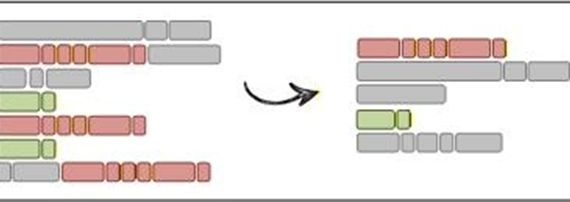
Code refactoring is a common process when developing in procedural languages – and essential to developing high-quality […]
Security in cloud environments is both challenging and fascinating, particularly for Database-as-a-Service (DBaaS) offerings like Amazon RDS, […]
Security in cloud environments is both challenging and fascinating, particularly for Database-as-a-Service (DBaaS) offerings like Amazon RDS, […]

If you’re a SQL Server DBA or developer looking to harness AI for your everyday scripting workflows, […]
Simon Galbraith is the co-founder of Redgate and one of the creators of Simple Talk. Here, he […]

We are deeply saddened to share the news that Andrew Clarke, better known to Simple-Talk readers as […]

The JOIN statement is one of the most common operations SQL developers perform. Yet in a world […]
In this final part of the MySQL Shell Configuration Management series, we explore how to automate performance […]
PostgreSQL is an open-source relational database management system valued for its power, standards-compliance, and extensibility. Whether you’re […]