

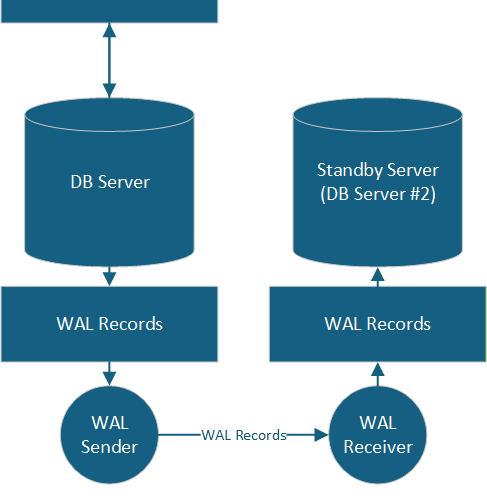
PostgreSQL replication is one of the most powerful tools available for keeping your database resilient, redundant, and performant, but it’s only effective when it’s stable. Replication lag, network bottlenecks, and long-running transactions can each quietly erode the reliability your applications depend on.
This guide breaks down how replication works in PostgreSQL, what threatens its stability, and the practical steps you can take to keep everything running smoothly – from tuning postgresql.conf, to handling table bloat and DDL changes safely on large, active databases.
If you’re an avid user of any database management system (DBMS), you likely know about replication