Working on Technology Off the Clock
I have always spent time learning relational databases on my own, non-work time. As the years have […]


I have always spent time learning relational databases on my own, non-work time. As the years have […]
The animation on the top of this article tries to track the evolution of the enterprise architecture […]
I hate coming up with ideas for editorials, but my last editorial of the year gives me […]
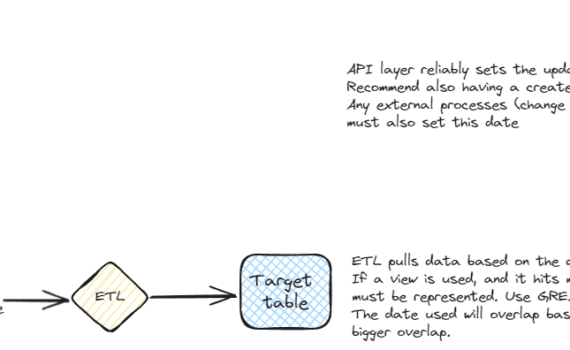
This continues and finishes my two-part series on warehouse load patterns. There are many methods to transfer […]
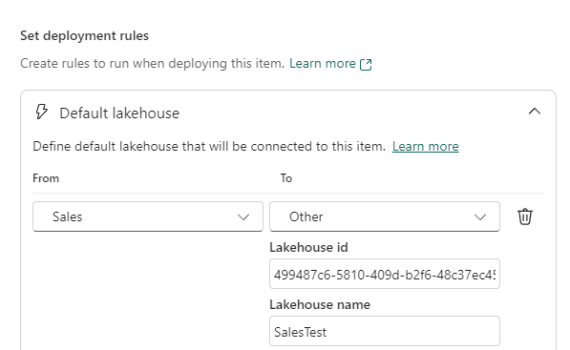
On my article about Fabric source control extended features, I explained how Microsoft included the notebooks on […]
I used to believe this option was something almost absolute: it should be enabled as best practice. […]
The source control features in Microsoft Fabric are evolving every day. The PBIP feature included in Power […]
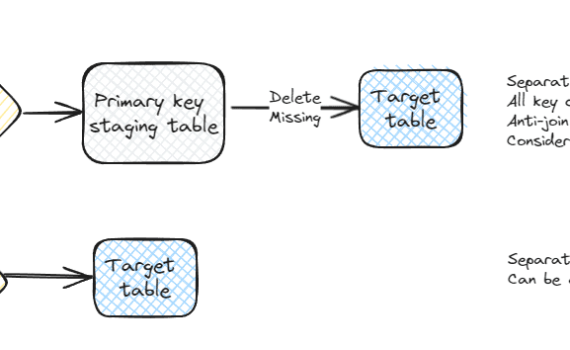
No matter the ETL tool used, there are some basic patterns to follow when transferring data between […]
comp A few weeks ago, I wrote a blog about Database Projects for Microsoft Fabric. It’s an […]

What a week it was. While it wasn’t my first in person conference this year, it felt […]
Last but not least, the Community Keynote. Hang on to your hats, this is going to be […]
Day 2 is here! Sitting here at the bloggers table waiting for the keynote to commence! <image […]
CEO of Redgate: Jakub Lemik: This year’s theme is Connect, Share, and Learn. Tomorrow will be People […]
I was talking to some people today about the concept of Autonomous Databases. The idea is that […]
As an editor working with other people’s technical writing for many years, you might guess that either […]
Microsoft Fabric, including the Data Warehouse, evolves faster than we can analyze and write about it. Here […]
One of the technologies that my new job brought with it was learning about all the various […]
Database Projects for Fabric Data Warehouse is one of the most recent news of Fabric for SDLC […]