


Thoughts on AI After My Panel Discussion
Today at Day of Data Orlando, I moderated a panel discussion with Bob Ward, Celia Brusatori, Kevin Feasel, Rob Volk, and Tim Radney talking about AI in your career, and whether it’s your sidekick, hero, or villain. A few really interesting things came …
What I learned after a weekend of AI troubleshooting gone wrong (8 key lessons)
Grant Fritchey walks through a real troubleshooting saga – using Wine, a shim DLL, a misconfigured registry entry, and a lot of trial and error – to get a BridgeCom Maverick radio’s Windows CPS running on Linux Mint. Along the way, repeated dead ends r …

[Video] Office Hours on the Last Alaskan Cruise of the Season
It’s a cold, gloomy day on the very last Alaskan cruise of the season. Yes, I picked this on purpose! While I talk about why this is a fun cruise to be on, let’s take your top-voted questions from https://pollgab.com/room/brento. Prefer listening to th …
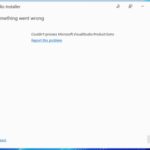
Breaking News: Hold Off on SSMS 22.11.0
There’s a new SQL Server Management Studio update out today. I’d hold off on it for now. I had problems with the upgrade, and when I mentioned it on LinkedIn, a couple other folks chimed in that they’re having problems with it, so I figured I should bl …

Fact-Checking Microsoft’s “PostgreSQL to SQL Field Notes: Connections”
Microsoft has started a series of blog posts helping Postgres developers who are “upgrading” to Microsoft SQL. (Microsoft’s been using that generic “SQL” term to refer to its collection of database products: Azure SQL DB, Hyperscale, Managed Instances, …
How to create roles, databases and tables in PostgreSQL (getting started with PostgreSQL, part two)
Setting up PostgreSQL the right way starts long before your first table exists. In this guide, you’ll learn how to create a dedicated role instead of relying on the postgres superuser, spin up a database with proper ownership, organize it with schemas, …

Free Webcast: How to Think Like the SQL Server & Postgres Engines
You’re a developer or a DBA, and you’re comfortable writing queries to get the data you need. You’re much less comfortable trying to design the right indexes for your database server. In my new totally free How to Think Like the Engines class, you’ll l …
Heads Up: SQL Server 2017 Support Ends One Year From Today.
Tick tock. SQL Server 2017 extended support ends on October 12, 2027. That means today, you need to start working through this list of labor-intensive tasks: Talk to your compliance, insurance, and legal people to see if your company is subject to any …
How to make database schema changes without downtime in MySQL: complete guide
Every growing application eventually faces the same challenge: your database schema needs to change, but your users can’t afford the downtime. Whether you’re adding a column, creating an index, or restructuring a table with billions of rows, schema cha …
How to secure temporary objects, metadata visibility, and audit assurance in SQL Server (complete guide)
SQL Server environments that are patched, firewalled, and configured to best practice can still carry hidden risk. Global temporary objects, Dynamic Management Views (DMVs), and audit specifications are all legitimate, widely-used SQL Server capabiliti …

[Video] A Very Special Episode of Office Hours
When we were kids, we knew we were in for something heavy whenever a TV series began an episode with a title card explaining, “This is a very special episode of ___.” It meant they were gonna discuss something heavy, like cancer or drugs or loss. Well, …

Who’s Hiring Database People? October 2026 Edition
Is your company hiring for a database position as of October 2026? Do you wanna work with the kinds of people who read this blog? Let’s make a love connection. If your company is hiring, leave a comment. The rules: Your comment must include the job tit …
Why test data management is essential for SOC 2 compliance
Using live data outside production is one of the fastest ways to create compliance risk. It becomes harder to control who can access the data, how it’s handled, and how long it’s kept for. However, it doesn’t have to be that way. Enter Test Data Manage …

Your queries are slow. Let’s make your training request fast.
You wanna take my SQL Server classes. Your boss wants to know what they cost, when you’ll be away from your usual work, and what the team gets out of it. You don’t wanna pay a lot for this muffler. Fair. Apparently “Brent seems fun” isn’t a complete bu …
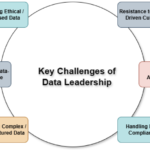
The future of data leadership: key strategies, challenges, and emerging trends
Data is one of the most valuable assets an organisation can hold — but only if it’s managed, governed, and used strategically. That’s where data leadership comes in. Data leadership is the practice of guiding an organization to extract real business va …